Barnaby Fenwick-Alder
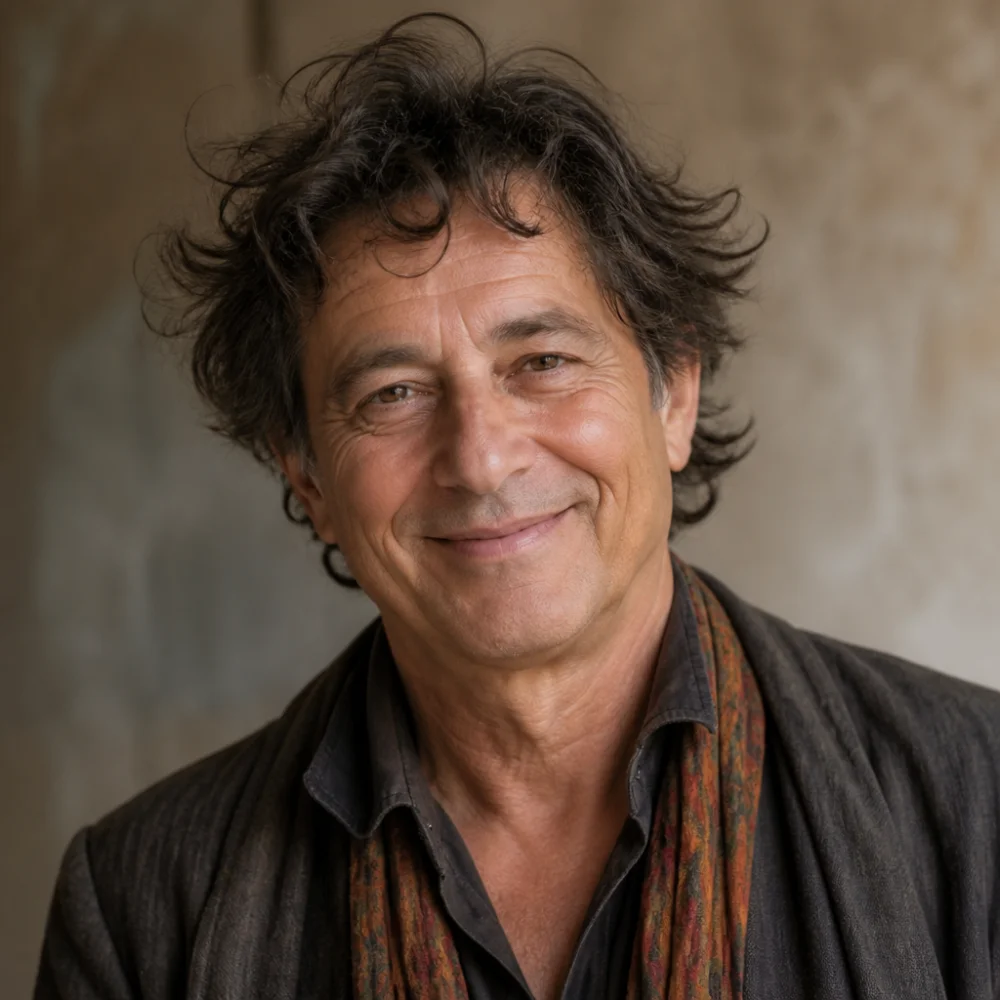
Barnaby Fenwick-Alder arrived in Prague with a suitcase, a dog-eared phrasebook and the confident belief that a few weeks of effort would be enough to order a coffee without embarrassment. That was the plan, anyway. The reality involved a baffled waitress in a Vinohrady café, a failed attempt at the word "ř" that sent a nearby pigeon flying, and a lesson he has never forgotten: Czech does not reward bluffing, but it rewards patience generously.
Today he is the editor of Czech in Prague, the independent magazine for foreigners who want to learn the language and actually use it in daily life. His approach grew directly out of those early stumbles. Having struggled through seven cases, verbs of motion and the notorious consonant clusters himself, Barnaby knows precisely where learners get stuck, and, more importantly, where they give up. He edits the magazine with a simple conviction: nobody should have to decode Czech grammar through a fog of jargon.
Before turning to language, Barnaby worked as a copy editor for a small publishing house in the English Midlands, where he spent years untangling other people's sentences. That craft shaped his editorial style. He insists on short explanations, concrete examples and a clear answer to the question every reader silently asks: "When will I need this?" A grammar article in the magazine rarely opens with a rule. It opens with a situation, such as buying a tram ticket, arguing politely with a landlord or understanding why the baker said "dobrý den" in what sounded like a different tone each morning.
Prague is both his classroom and his subject. He has lived through the full cycle of the expat experience: the initial charm of cobbled streets, the first encounter with bureaucracy, the small triumph of understanding a neighbour's remark on the stairs and the quiet pride of finally being answered in Czech rather than English. These moments inform the magazine's practical tone. Alongside articles on declension and pronunciation, readers will find advice on registering at the foreign police, navigating pharmacies, choosing a language course and surviving a first Czech doctor's appointment.
Barnaby is a firm believer that vocabulary sticks best when it is attached to real places and real needs. He collects phrases from market stalls, pub conversations and public transport announcements, and he is happy to admit when a textbook form differs from what people actually say on the street. His articles often explain both: the correct written version and the relaxed spoken reality, so learners are prepared for each.
He is equally candid about the emotional side of learning a difficult language. Plateaus, embarrassment and the odd bout of homesickness are, in his view, part of the process, not signs of failure. Readers often mention that his gentle humour makes the harder topics easier to face. He is quick to celebrate small wins and slow to lecture, a balance that has earned the magazine a loyal community of students, newcomers and long-term residents alike.
Outside the editorial office, Barnaby can usually be found walking along the Vltava with a notebook, testing new phrases on unsuspecting shopkeepers or debating the proper pronunciation of "ž" with anyone patient enough to listen. His goal for Czech in Prague is modest but sincere: to make learning Czech feel achievable, useful and, on good days, genuinely enjoyable.